Termite Inspection Vs Building & Pest Inspection: What Sunshine Coast Buyers Need To Know
If you're buying property on the Sunshine Coast, a termite inspection and a building and pest inspection are not the same thing, and confusing the two can leave gaps in what actually gets checked before you settle. A termite inspection on the Sunshine Coast is a licensed visual timber pest assessment carried out under AS 4349.3. A building and pest inspection combines that timber pest check with a separate structural and compliance assessment of the property.
Knowing the difference matters because it changes what your inspector actually looks at, what the report covers and how much time you need to book before your due diligence period closes.
Termite Inspection vs Building & Pest Inspection: What's the Difference?
A standalone termite inspection focuses entirely on timber pest activity. The inspector checks subfloors, roof voids, timber framing, external structures and garden areas for live termites, past damage and conditions that could attract an infestation. It's carried out to the Australian Standard AS 4349.3, which sets out how a visual timber pest assessment should be performed and reported.
A building and pest inspection adds a second layer on top of that. Alongside the timber pest check, a licensed building inspector assesses the structural condition of the property – things like roofing, drainage, cracking, moisture ingress and compliance with the building code. You end up with two reports, sometimes from two different inspectors, covering two different sets of risk.
For a Sunshine Coast property purchase, this distinction directly affects your contract timeline. If you only need the timber pest side covered, a standalone termite inspection Sunshine Coast buyers can book is usually quicker to schedule and turn around than a combined inspection involving two trades.
What Does a Building & Pest Inspection Cover?
A building and pest inspection covers structural elements and visible defects across the whole property, alongside the timber pest assessment. On a typical Sunshine Coast home, that means:
- Roof space, guttering & roof covering condition
- Subfloor & stumping (particularly relevant for older high-set homes)
- Walls, ceilings & floors for cracking, movement or moisture damage
- Site drainage & retaining structures
- Termite activity, damage & conducive conditions, assessed under AS 4349.3
The building side of the report flags issues a buyer would want addressed or priced into negotiations – things like rotting fascia boards, inadequate drainage or non-compliant handrails. The pest side flags timber pest risk specifically. Combining them gives a fuller picture of the property, but it also means coordinating two scopes of work within the same due diligence window.
What a Pre-Purchase Termite Inspection Checks That a Building Report Doesn't
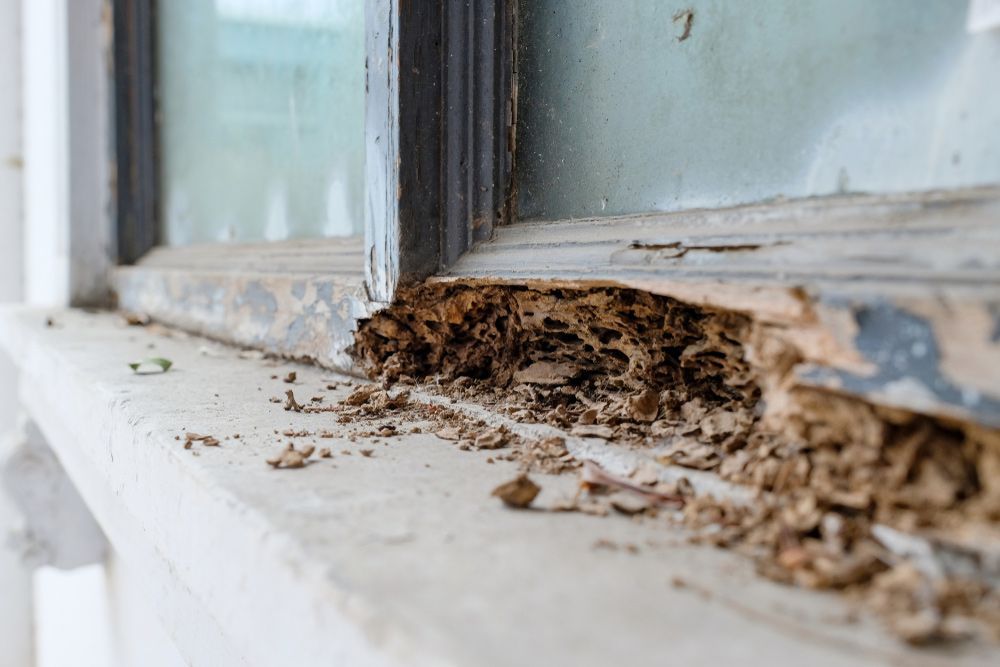
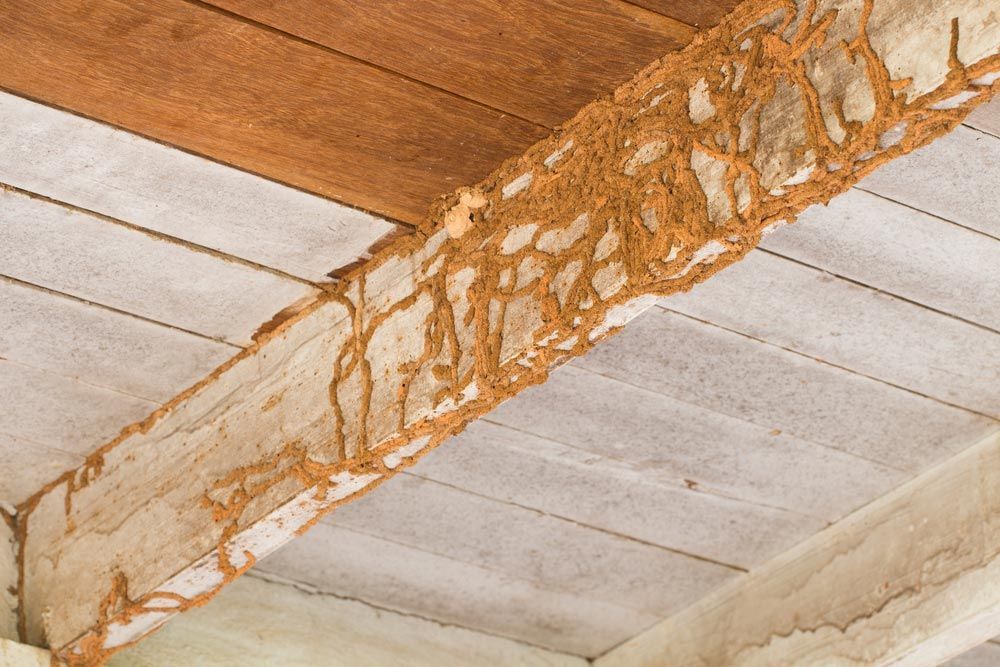
A pre-purchase termite inspection goes deeper into timber pest evidence than a general building report typically does, because it's the sole focus of the visit. The inspector works through every accessible area looking specifically for live termites, mud tracking, hollow-sounding timber and damage patterns unique to termite activity rather than other timber pests like borers.
Example: a buyer under contract on a high-set timber home in Buderim orders a standalone termite inspection rather than a full combined report, because the seller has already supplied a recent building compliance certificate. The termite inspector identifies active subfloor activity that a general building inspection, without the same depth of pest-specific focus, may have noted only as ‘further investigation recommended’. That distinction changes whether the buyer negotiates on price, requests treatment before settlement or walks away.
This is also where a timber pest inspection Sunshine Coast buyers commission tends to earn its cost. Termite damage in high-set, timber-framed homes – common across the region – can sit hidden in bearers, joists and stumps for years before it's visible from inside the house.
How Long Does a Building & Pest Inspection Take?
On-site, a combined building and pest inspection generally takes a few hours, depending on the size and accessibility of the property. Reporting turnaround is the bigger factor for buyers working to a settlement deadline. A written report typically follows within one to two business days after the inspection, though this varies between providers and whether one company handles both scopes or two separate ones are involved.
A standalone termite inspection is usually faster to book and complete, since it's a single trade working to a single scope. If your Sunshine Coast contract has a short due diligence period, this timing difference is worth confirming with your inspector before you sign anything.
Which Inspection Do You Actually Need
For most Sunshine Coast purchases, the honest answer depends on what you already know about the property and how much time your contract gives you. A buyer purchasing an older, high-set timber home with no recent pest history probably wants the combined report – the structural and timber pest risks are both live. A buyer who already has a recent building report from a previous sale attempt, or who's purchasing a newer brick veneer property with lower termite exposure, may only need the standalone termite inspection to satisfy their due diligence clause.
We've covered why you shouldn't skip a termite inspection when buying in detail – this post picks up where that one leaves off, on the building-vs-pest distinction. Either way, engaging one provider who can scope both, or coordinate closely with a separate building inspector, keeps the reporting timeline tighter around your contract deadline.
Why Sunshine Coast Homes Raise the Stakes on This Decision
The Sunshine Coast's warm, humid climate and high proportion of timber-framed and high-set homes push termite risk higher here than in cooler, drier parts of the country. Elevated timber stumping, exposed bearers and joists and garden beds hard against external walls all create conditions termites favour. That's part of why a pre-purchase termite inspection carries real weight on a local contract, even when the property looks well-maintained on a walkthrough.
If the inspection uncovers active termites, Maroochydore homeowners can move straight into a termite barriers consultation in Maroochydore before their contract deadline, rather than waiting until after settlement to address it. If your pest inspection flags a gap in protection more broadly, ask about termite barrier options on the Sunshine Coast while you're still inside your due diligence period. It's far easier to negotiate treatment or price adjustments before you own the problem.
Booking Around Your Due Diligence Deadlin
Whichever inspection type you choose, timing it against your contract's due diligence or cooling-off period is what actually protects you. Book early enough that you have time to review the report, request further assessment if something's flagged and still negotiate or exit if needed. Leaving it until the final days of your due diligence window gives you a report but not necessarily the time to act on it.
For more on what to expect at settlement, browse our blog for related buyer guides or contact the Suncoast Termite & Pest team today.
FAQs