What Time Of Year Are Termites Most Active On The Sunshine Coast?
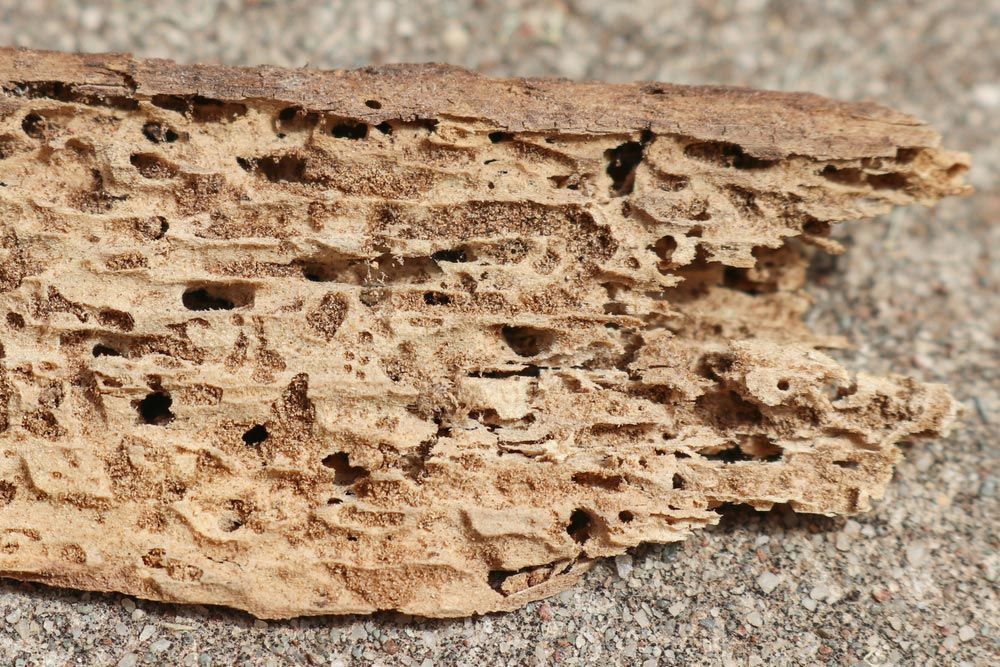
If you've ever knocked on a wooden door frame and heard that hollow, unsettling thud, you'll know the sinking feeling that follows. Termites are one of those problems that rarely announce themselves until the damage is already done. For homeowners in South East Queensland, understanding the rhythm of termite activity isn't just useful knowledge; it's a practical tool for protecting one of your most valuable assets. Knowing when these insects are at their most destructive, how local weather patterns influence their behaviour, and when to schedule a termite inspection on the Sunshine Coast can mean the difference between early intervention and a costly repair bill.
When Are Termites Most Active?
Termites are not seasonal in the way that some pests are. They don't simply vanish in cooler months and return in summer. However, their activity levels do peak and trough depending on conditions, and there are specific windows throughout the year when colonies become significantly more aggressive in their foraging and expansion.
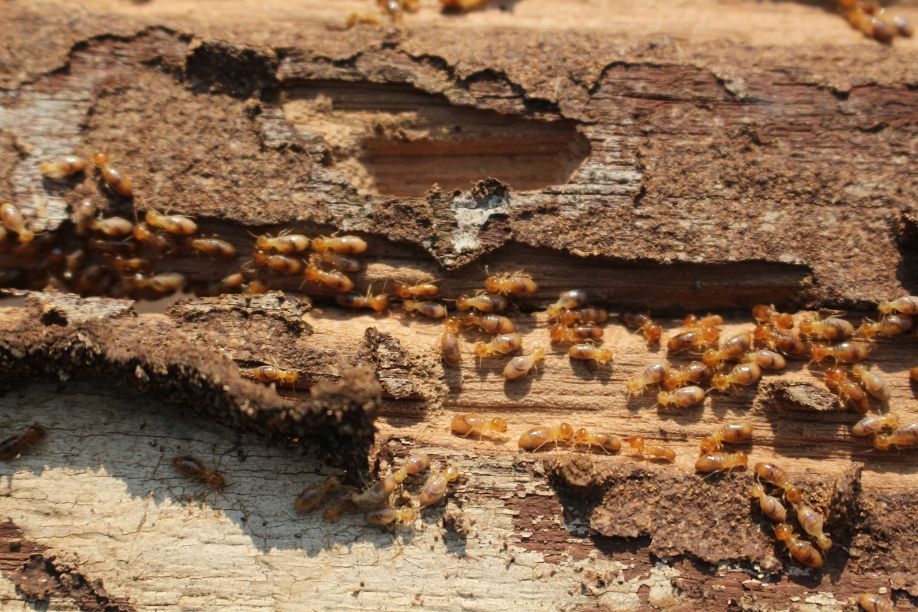
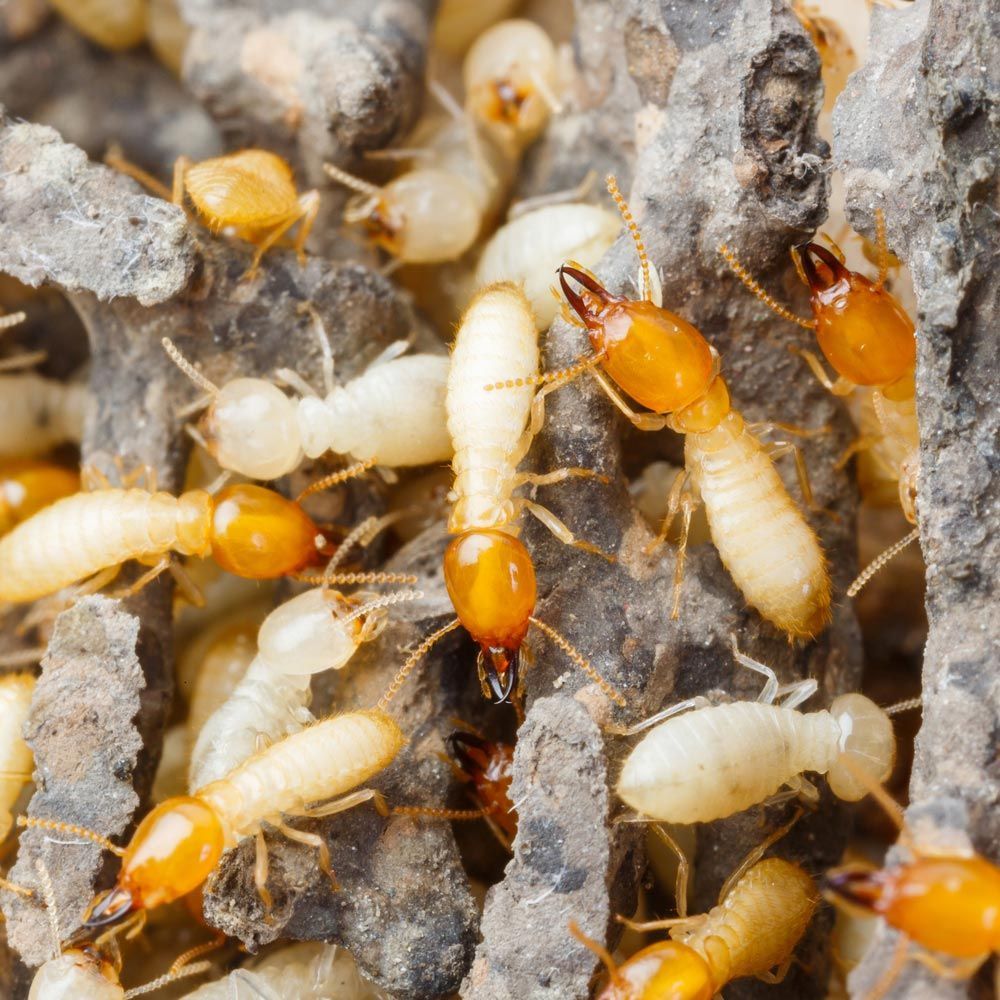
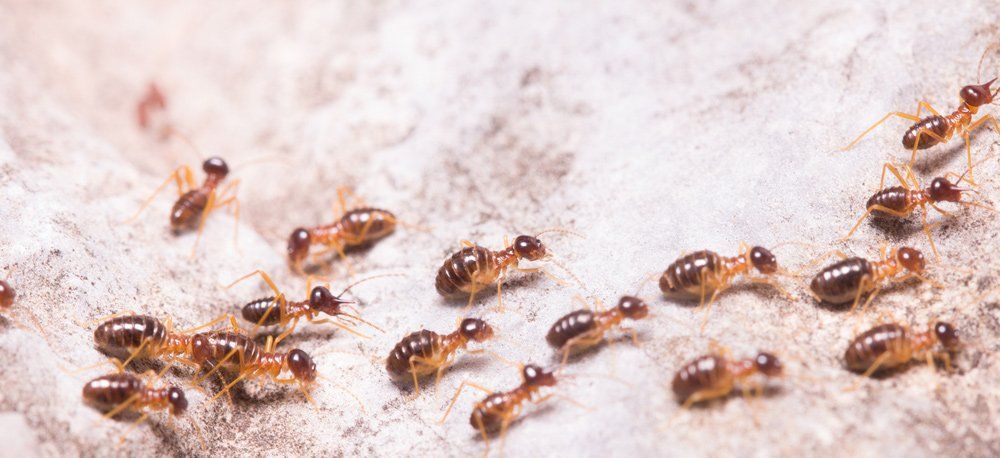
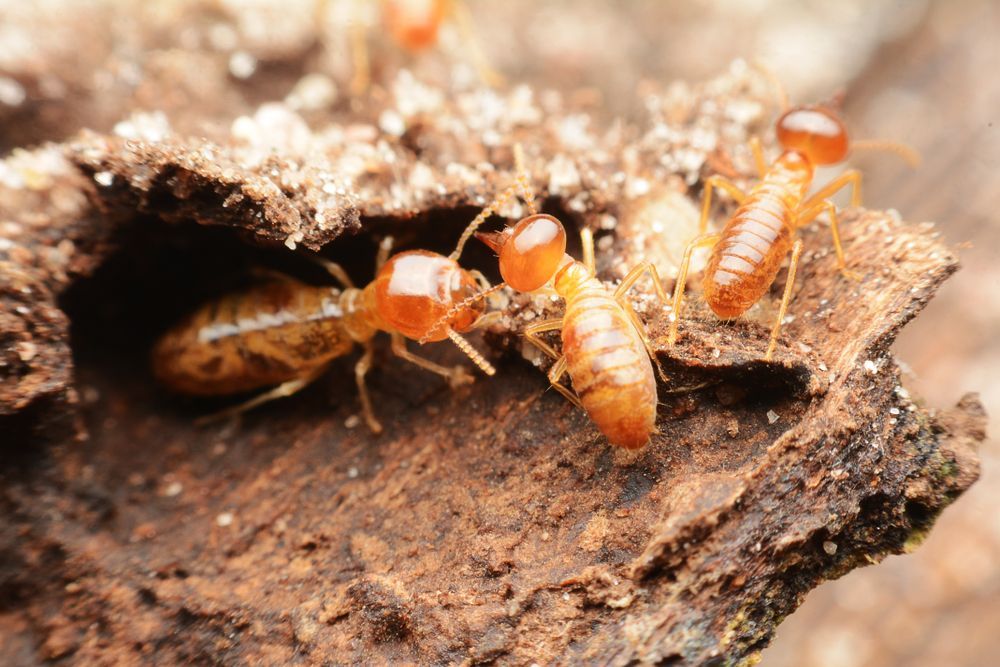
The most intense period of termite activity typically runs from late spring through to early autumn — broadly October to April. During these warmer months, worker termites ramp up foraging to feed the colony, and reproductive termites (known as alates or swarmers) take flight to establish new nests. Seeing a swarm of winged insects near your home during this window is one of the clearest signs that a mature colony is nearby.
That said, it would be a mistake to dismiss the risk outside of these months entirely. Key points to understand about termite activity cycles include:
- Subterranean termites, the most destructive species in Australia, remain active year-round in wall cavities and underground tunnels where temperatures stay relatively stable.
- Swarming events most commonly occur after rain, particularly on warm, humid evenings from October onwards.
- Colony growth continues steadily regardless of season — even in winter, an established nest is consuming timber and expanding.
- Dry timber termites tend to be more active in warmer, drier conditions and are commonly found in roof spaces and hardwood framing.
The key takeaway is that while summer represents peak visible activity, the underlying threat exists throughout the entire year.
Does Weather Affect Termite Infestations?
In short — yes, significantly. Termites are highly sensitive to environmental conditions, and the local climate plays a major role in shaping how and when infestations develop.
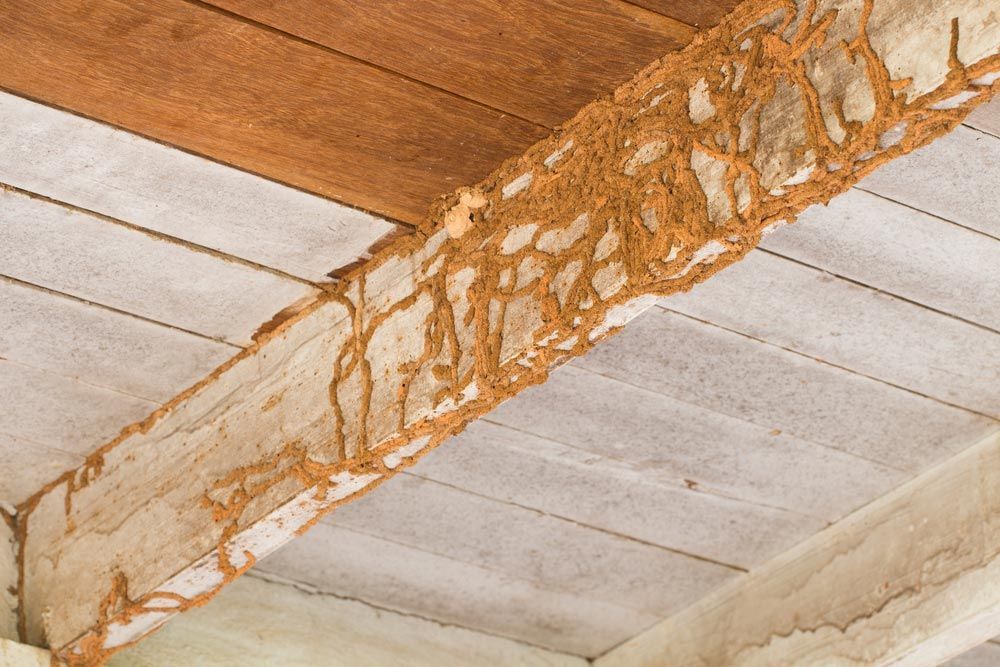
Queensland's subtropical climate creates an almost ideal environment for termite colonies. Warm temperatures, high humidity, and regular rainfall provide the moisture that subterranean species depend on to survive and travel. Soil moisture is particularly important. Termites construct mud tubes to retain humidity as they forage above ground, and wet soil makes this process far easier.
A few specific weather-related patterns worth noting:
- Post-rain periods are among the highest-risk times for new infestations, as moisture-softened timber and saturated soil encourage termites to explore new food sources.
- Extended dry spells can push colonies closer to homes as they search for moisture — leaking pipes, irrigation systems, and air conditioning runoff can all become attractants.
- La Niña years, which bring above-average rainfall to South East Queensland, have historically corresponded with elevated termite activity reported by pest management professionals.
- Storm damage can expose timber framing, remove protective barriers, and create entry points that make it easier for termites to gain access to a structure.
Understanding these patterns helps explain why pest activity doesn't always follow a neat calendar — it responds to the conditions on the ground. A wetter than usual autumn, for example, can extend the active season well beyond what homeowners might expect.
When Should Inspections Be Booked?
Industry guidelines from the Australian Standard AS 3660.2 recommend that a termite inspection on the Sunshine Coast — and across Australia — should be carried out at least once every 12 months for the average residential property. In higher-risk situations, such as homes surrounded by bushland, properties with previous termite history, or older buildings with timber framing, that frequency should increase to every six months.
Beyond that annual baseline, there are certain trigger points that warrant booking an inspection outside of a regular schedule:
- Before purchasing a property, a pre-purchase termite inspection on the Sunshine Coast is one of the most important due diligence steps any buyer can take. Visible termite damage is not always present, and what's hidden in wall cavities or subfloor spaces can dramatically affect a property's value.
- After a swarming event on or near your property, which suggests an active colony in the vicinity.
- Following major weather events, including flooding or storms, which can disturb colonies and damage physical termite barriers.
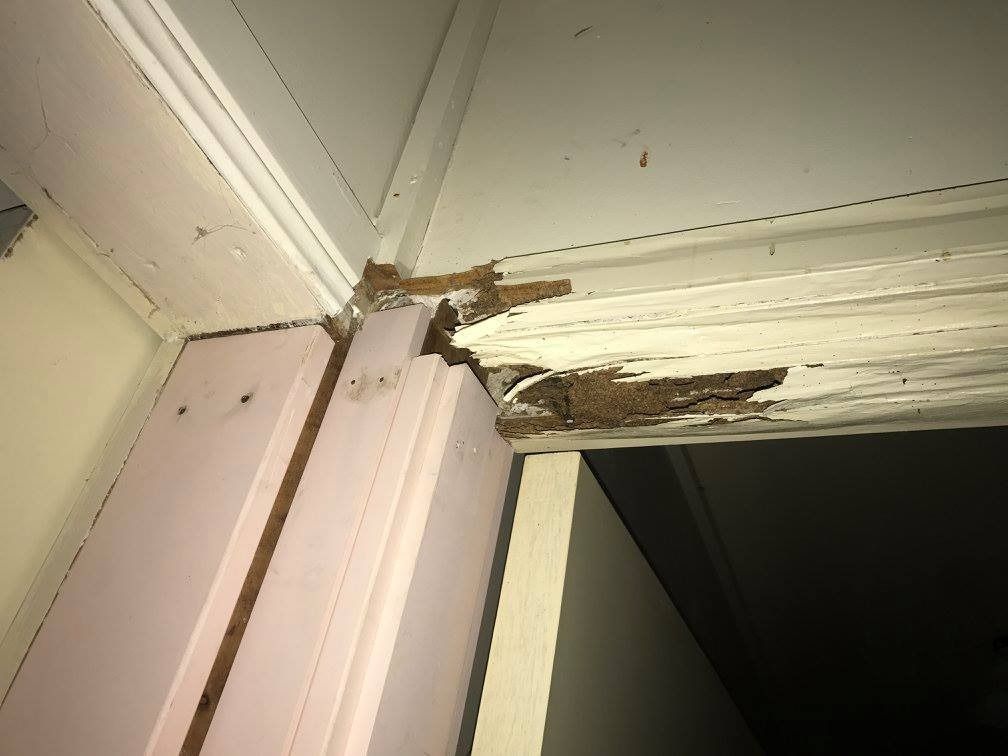
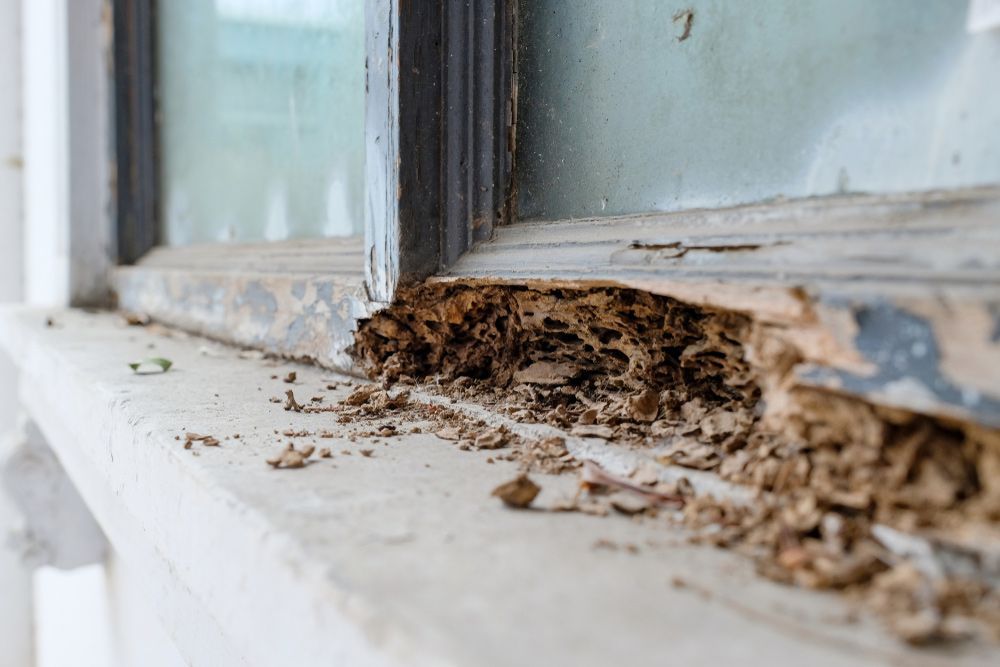
- When you notice warning signs. Hollow-sounding timber, mud tubes along foundations, tight-fitting doors or windows caused by framing movement, or discarded wings near window sills.
- After renovations or landscaping work that may have disturbed existing barriers or introduced new timber into contact with the soil.
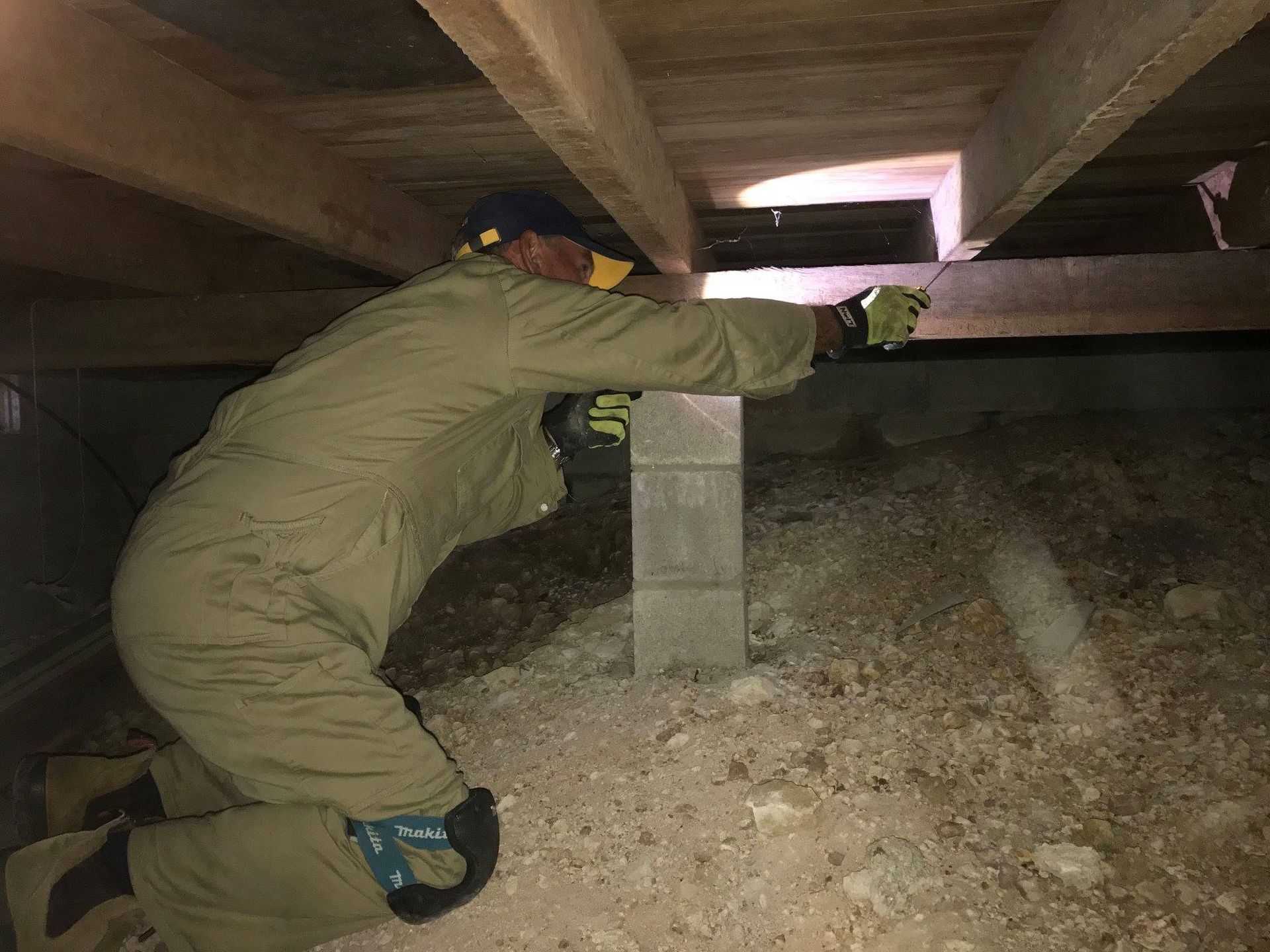
A professional inspection doesn't simply involve a visual check. Qualified technicians use a combination of thermal imaging, moisture detection equipment, and physical probing to identify activity that isn't visible to the naked eye. This makes professional inspection considerably more reliable than a self-assessment, particularly for older homes or properties with complex subfloor structures.
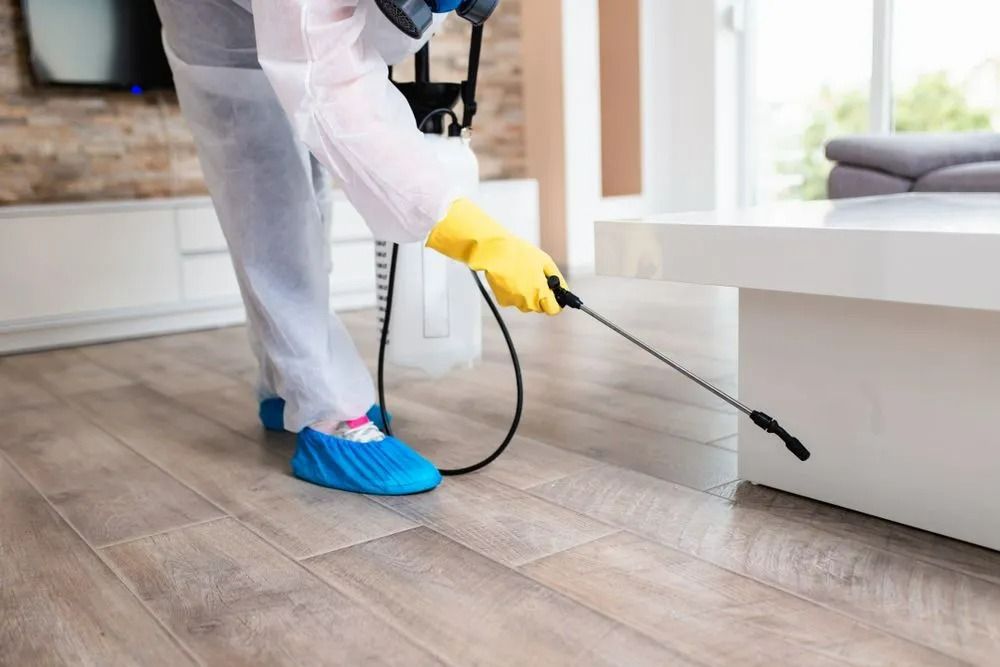
It's also worth understanding what happens after an inspection. If activity or damage is detected, a range of treatment options are available depending on the species involved and the extent of the infestation, from baiting systems and chemical soil treatments to physical barrier installation.
An inspection report will outline findings clearly and provide a recommended course of action, giving homeowners the information they need to make informed decisions.
Take Action Before the Damage Is Done
We at Suncoast Termite & Pest understand that the Sunshine Coast's warm, humid climate creates year-round pressure for local homeowners — and that staying on top of termite risk requires more than good intentions. The combination of subtropical weather, coastal moisture, and the region's abundance of timber-framed homes means that professional inspections aren't a luxury; they're a practical necessity.
Whether you're overdue for your annual inspection, considering buying a property, or simply want peace of mind heading into the warmer months, we're here to help. Contact us today to book a termite inspection on the Sunshine Coast. Our qualified team uses industry-standard technology and a thorough approach to give you a clear picture of your property's condition.
Don't wait for the hollow knock to tell you something's wrong. Call us today at (07) 5441 5040.