Do Termite Barriers Need Maintenance Over Time?
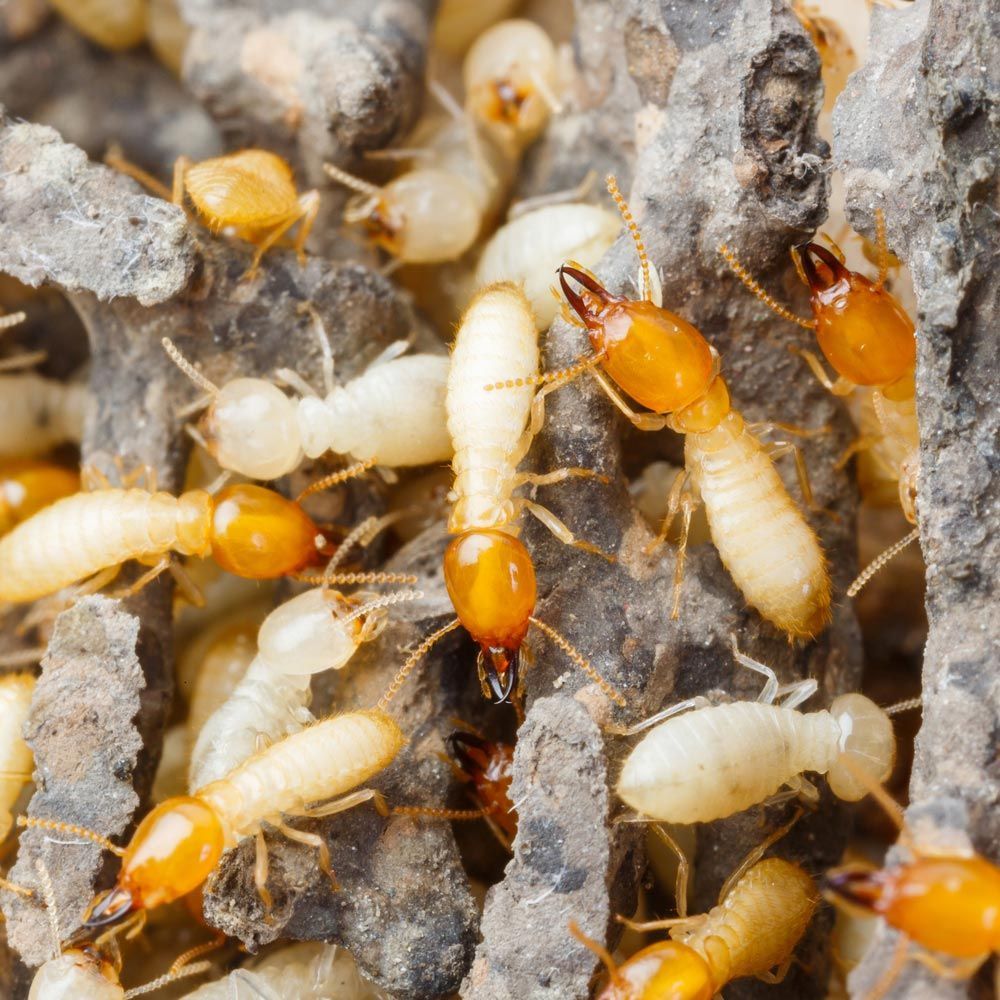
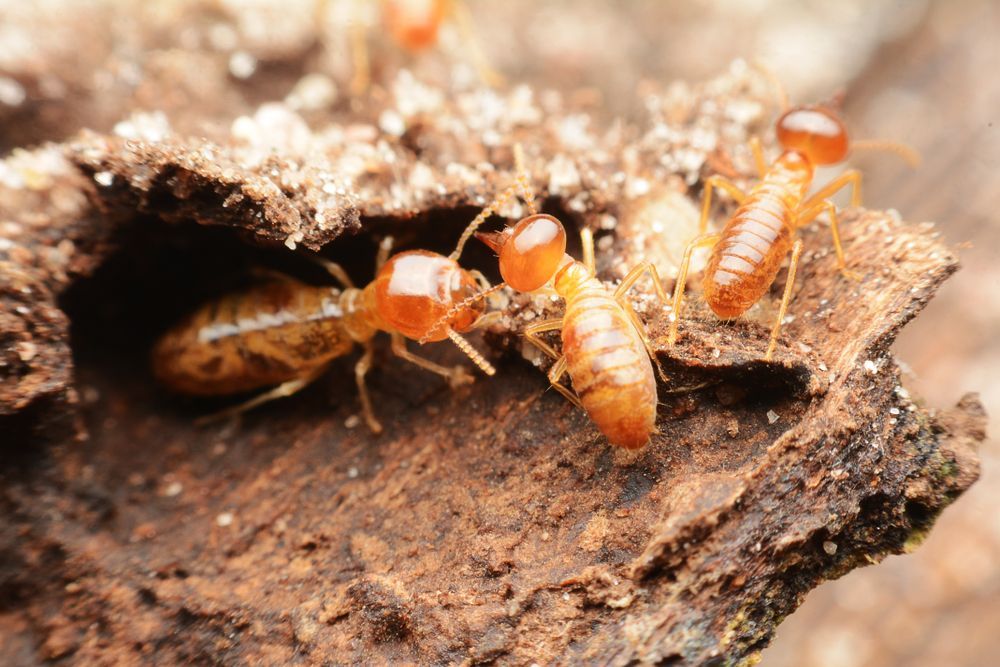
Buying a home comes with a long list of responsibilities and protecting that property from termites sits high on the priority list for many Australians. Across Queensland in particular, termites thrive in warm climates and moist soil. That reality has led many homeowners to install termite barriers around their property.
However, a common misconception continues to circulate – that once a barrier is installed, the job is finished forever. In truth, termite protection requires ongoing attention. Even properties with termite barriers on the Sunshine Coast benefit from monitoring and inspections over time.
Understanding how barriers work and how they change over the years can help homeowners stay one step ahead of costly damage. A well-maintained system forms part of a long-term termite management plan rather than a once-off installation.
What Termite Barriers Actually Do
Before exploring maintenance, it helps to understand what termite barriers are designed to achieve.
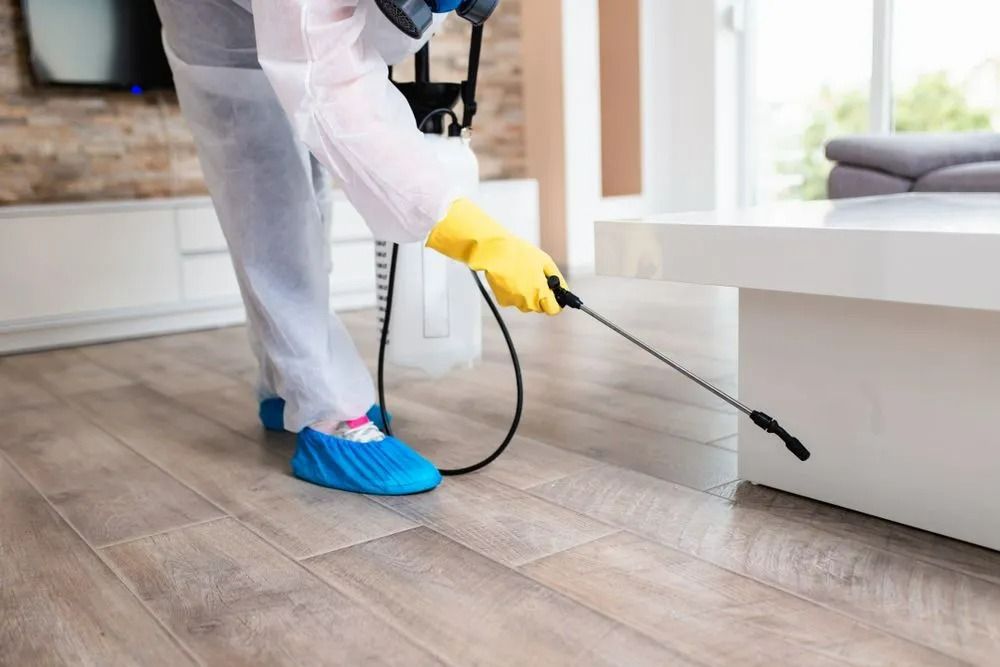
A termite barrier creates a protective zone between termites in the soil and the structural timber inside a home. Depending on the system installed, the barrier may either repel termites or expose them to treated soil that eliminates the colony as they attempt to enter the building.
These barriers generally fall into two main categories:
- Chemical barriers – termiticide applied to soil around and beneath the property
- Physical barriers – systems made from materials such as stainless steel mesh or graded stone that termites cannot penetrate
Both methods aim to block hidden termite entry points around foundations, slabs and structural elements.
While the concept sounds simple, homes shift, soil moves and environmental conditions change. These factors affect how well a barrier performs over time.
Do Termite Barriers Degrade Over Time?
Many homeowners feel surprised to learn that termite barriers do not last forever. Like most protective systems around a home, they face environmental wear and gradual breakdown.
Chemical barriers rely on active ingredients in the soil. These compounds interact with moisture, microorganisms and natural soil movement. Over time, this process reduces their strength. Several factors influence how quickly a barrier loses effectiveness:
- Heavy rainfall that shifts treated soil
- Irrigation systems constantly saturating the ground
- Soil disturbance from gardening or landscaping
- Natural microbial activity breaking down chemical compounds
- Tree roots altering soil structure
Physical barriers also require monitoring. Although materials such as stainless-steel mesh remain durable, construction changes around the property can create gaps. Termites excel at finding the smallest weaknesses in a structure.
Homes built on reactive soils, common across coastal Queensland, experience minor movement over time. That movement can create new entry pathways where termites attempt to bypass the barrier.
How Often Should Termite Barriers Be Checked?
Installing a barrier is an excellent step in termite protection, yet it should always be paired with regular inspections.
In Australia, most pest management professionals recommend annual termite inspections for residential properties. Homes in high-risk regions may benefit from even more frequent checks.
During a professional inspection, technicians examine several key areas:
- External walls and slab edges
- Garden beds and landscaping near foundations
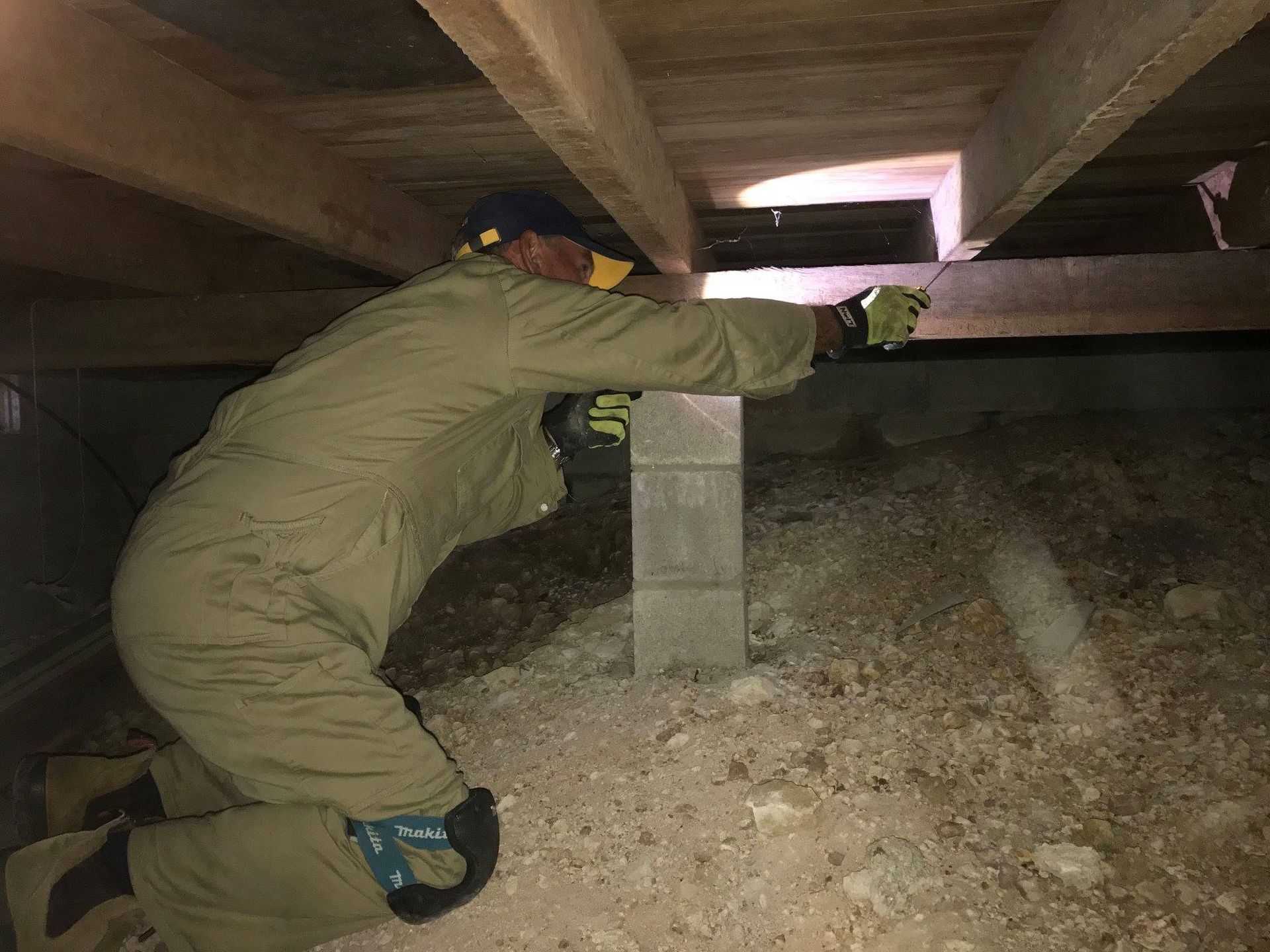
- Subfloors and crawl spaces
- Roof voids and structural timbers
- Moisture sources that attract termite activity
An inspection confirms that the barrier remains intact and continues to perform its protective role. Homeowners who schedule a termite inspection on the Sunshine Coast gain peace of mind that their termite protection strategy remains active.
Regular checks also allow early detection of termite activity before significant structural damage develops.
What Can Void a Termite Barrier System?
One of the most overlooked aspects of termite protection involves activities that unintentionally disrupt an existing barrier.
Many homeowners modify their outdoor spaces over the years without realising these changes may affect termite protection. The following common activities can compromise a barrier system:
- Excavation for landscaping projects
- Installing irrigation or drainage systems
- Building decks, patios or concrete paths
- Adding garden beds against exterior walls
- Plumbing repairs requiring soil excavation
- Raising soil levels around the foundation
Even small adjustments around the perimeter of a home can create untreated gaps in the soil. Termites naturally explore these areas in search of timber.
A simple garden renovation might expose untreated soil directly beside the slab. Without inspection, homeowners may not notice the new vulnerability. Professional inspections identify these risks and help restore the barrier if necessary.
Signs Your Termite Barrier May Need Attention
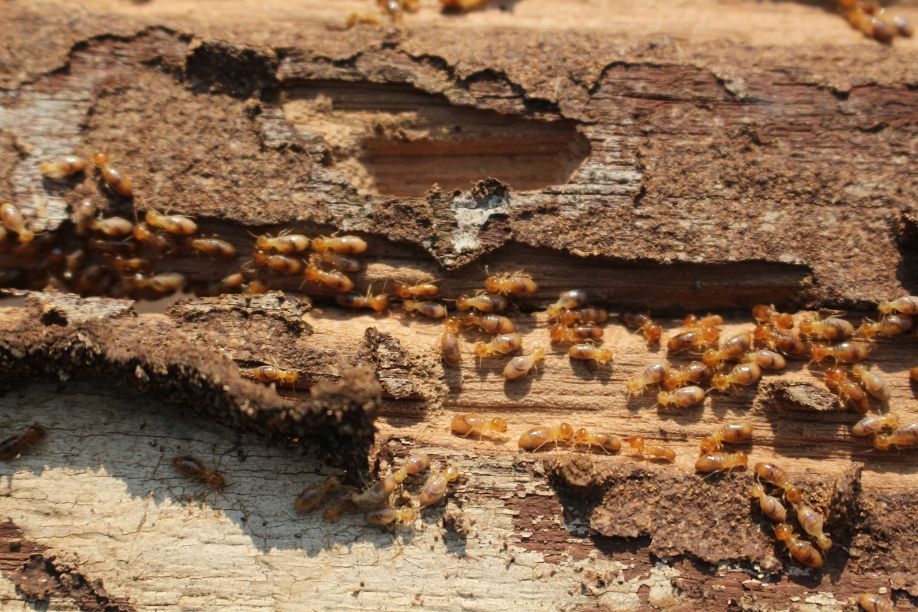
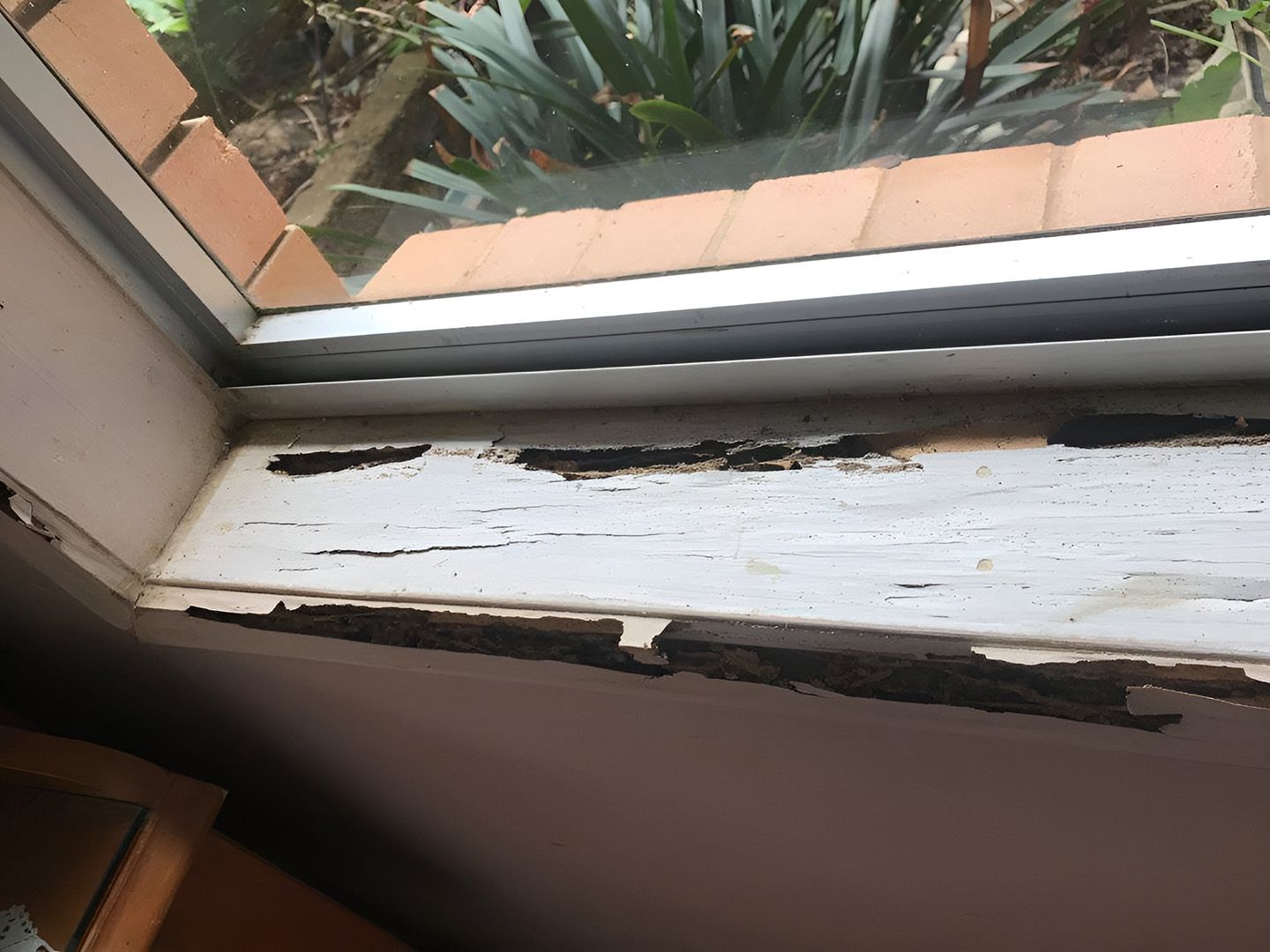
Even with a barrier in place, homeowners should stay alert for subtle signs that termite activity may be nearby. Termites operate quietly and remain hidden within timber or soil. However, the following indicators may suggest a barrier requires inspection:
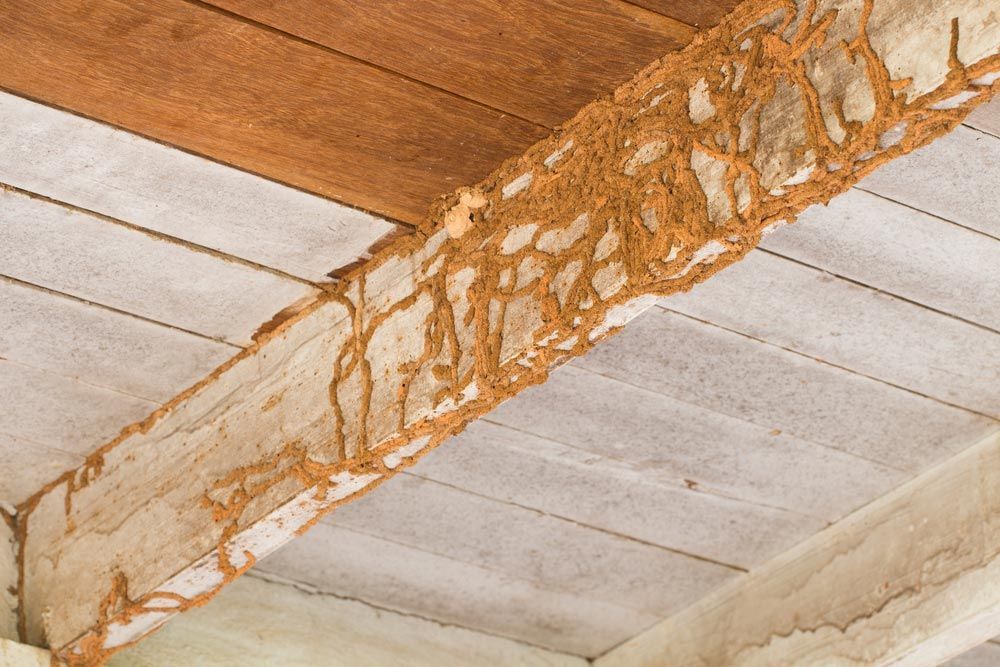
- Mud tubes along walls or foundations
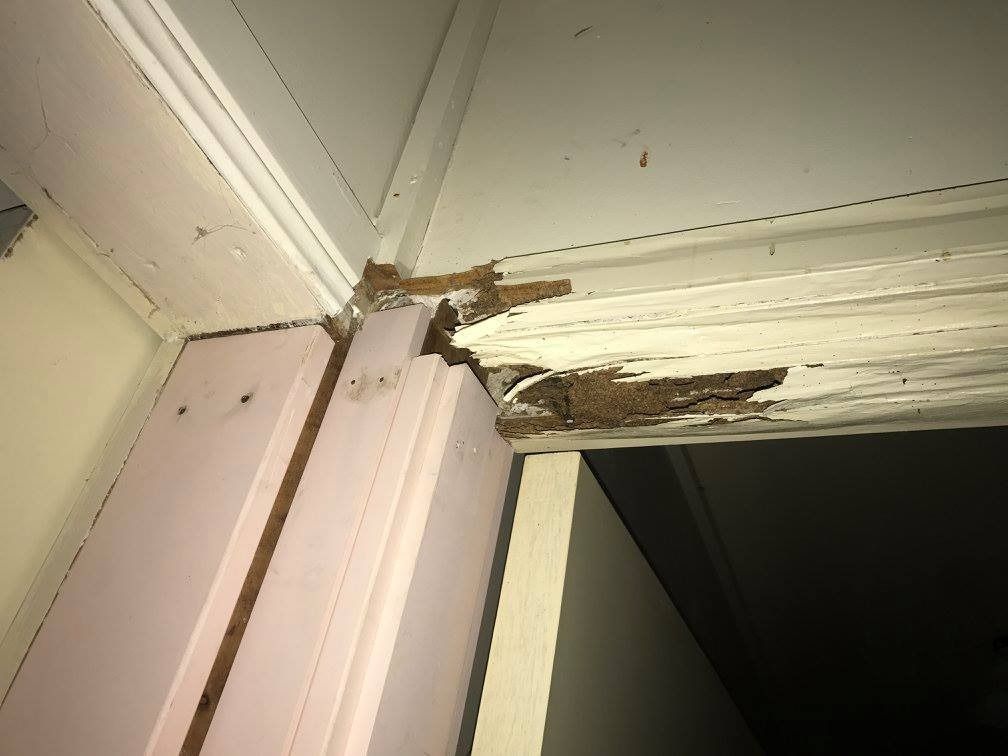
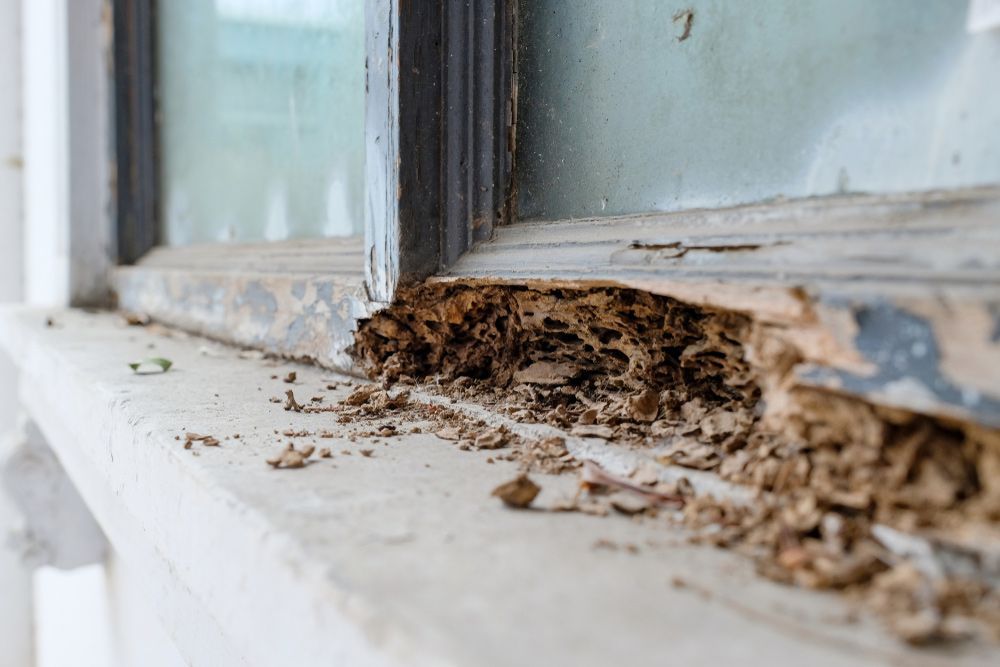
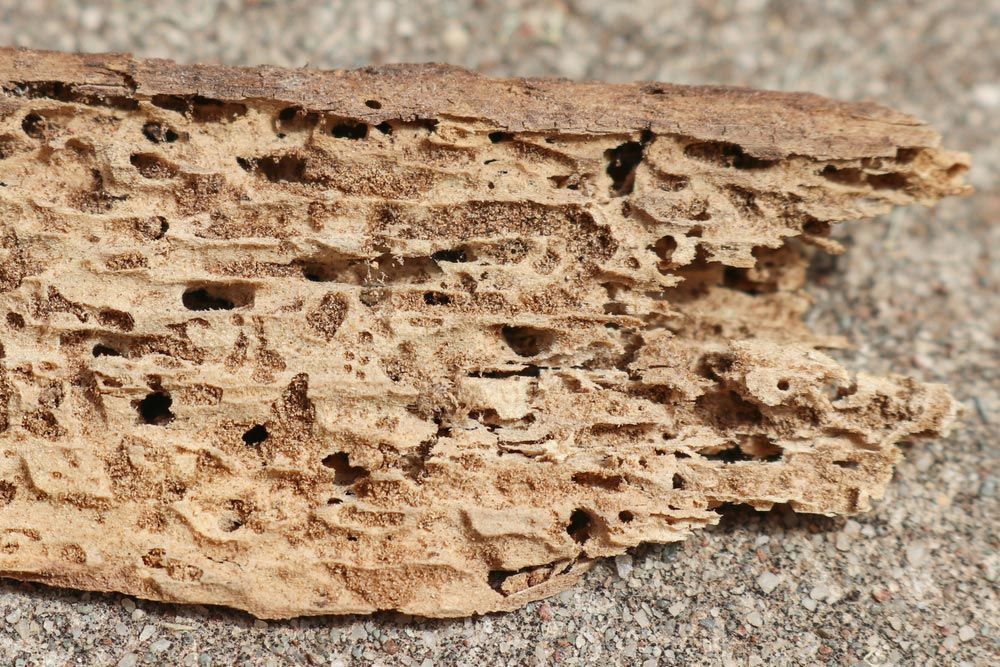
- Soft or hollow-sounding timber
- Termite wings near windows or doors
- Tight-fitting doors and warped timber
- Unexplained cracks appearing in plaster
Termite swarms often appear after warm rain, particularly during spring and early summer. These swarms signal that a colony has matured nearby. Although a barrier reduces the likelihood of structural entry, nearby termite colonies can still develop within garden timbers, tree stumps or fences.
Early identification remains the best defence.
Why Routine Inspections Matter Even with a Barrier
Termites don’t read building plans. They simply search for moisture and timber. This behaviour explains why the pest control pros emphasise ongoing termite inspections rather than one-time treatments.
A barrier acts as a strong line of defence, yet it forms only part of a broader termite management strategy. Inspections provide the opportunity to:
- Identify new termite colonies near the property
- Confirm that treated soil remains intact
- Detect structural vulnerabilities around the home
- Monitor moisture issues that attract termites
- Update protection methods if conditions change
Many Australian homes also undergo renovations years after construction. New plumbing lines, electrical conduits or landscaping projects alter soil conditions around the structure. Without inspection, these changes may weaken the original barrier system.
Homeowners who maintain regular inspections and stay aware of property changes dramatically reduce the risk of termite damage.
A Smarter Long-Term Approach to Termite Protection
Termites play an important role in nature by breaking down dead timber. Unfortunately, houses often present the perfect food source.
Protecting a property requires more than a single installation. Instead, it involves a layered approach that combines barriers, inspections and homeowner awareness.
A termite barrier on the Sunshine Coast forms the foundation of that strategy, yet routine monitoring keeps the protection active as the property changes over time.
For homeowners living in high-risk regions like ours, regular inspections provide valuable reassurance that their property remains protected.
If you want guidance on maintaining termite barriers on the Sunshine Coast, our team at Suncoast Termite & Pest works with properties across the Sunshine Coast to help identify risks and maintain strong termite protection. Booking a termite inspection on the Sunshine Coast can help confirm your barrier system remains intact and ready to protect your home.