What The Building Code & Standards Require For Termite Barriers On The Sunshine Coast & Queensland
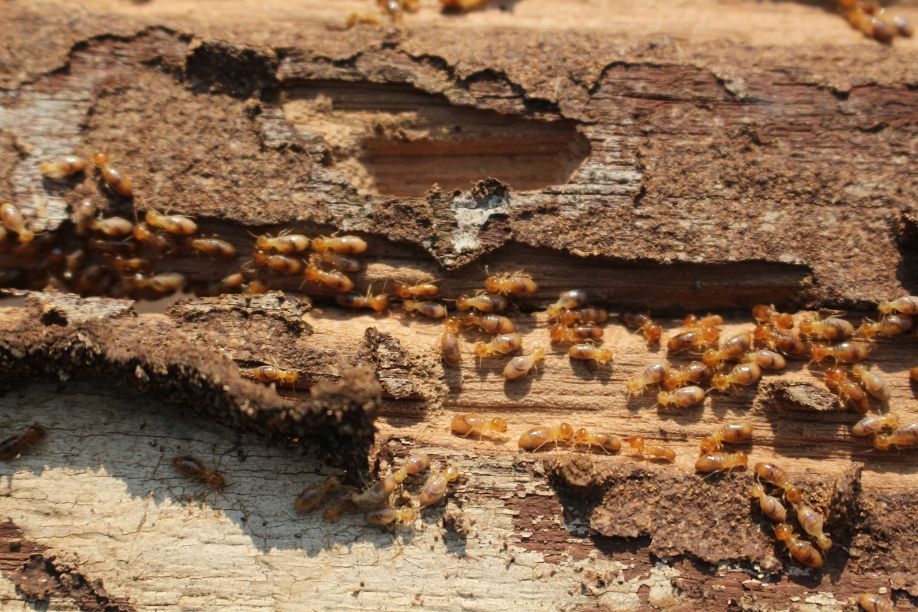
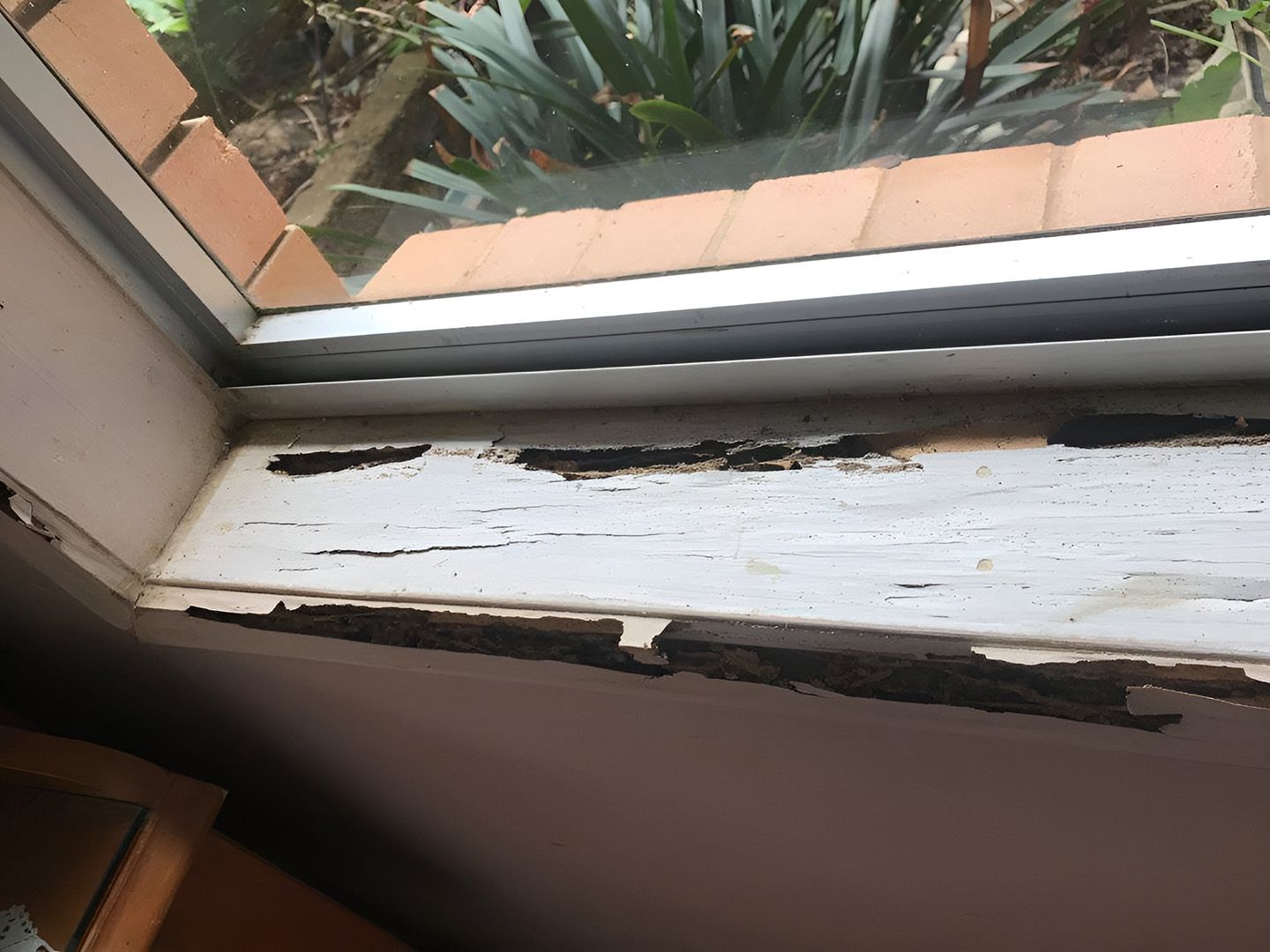
Termites are a design consideration in Queensland, not an afterthought. The building rules expect new homes and major renovations to include a compliant termite management system, and existing homes to keep protection effective through inspection and maintenance. If you’re weighing up termite barriers on the
Sunshine Coast, it helps to know what the National Construction Code (NCC) and the AS 3660 standards actually require. Here’s a concise guide in plain English. It’s general information only. Always follow your approved plans and your installer’s documentation.
The Rules, in Simple Terms
The NCC says a building must be protected against termite attack that could cause structural damage. It does not mandate one brand or method. It points you to the AS 3660 series, which lays out acceptable systems, how they must be installed, and how they’re maintained. In practice this means:
- Choose a management method recognised by AS 3660 for your build type
- Install exactly to the manufacturer instructions & the relevant AS 3660 part
- Keep inspection zones clear so entry points can be checked
- Record the system on a durable notice & keep service records
Compliance starts at construction, then continues with inspections across the life of the home.
What AS 3660 Covers
People say “AS 3660” as if it’s one document, but it’s a group of parts that work together.
- New building work: Design and installation rules for slabs, penetrations, edges & subfloors using physical barriers, membranes, treated zones or combinations
- Existing buildings: Retrofitting, remedial work & upgrades when activity is found or protection has lapsed
- Inspection & monitoring: Competency, frequency, record keeping & how findings must be documented
Your installer should nominate the exact parts that apply, then give you paperwork that matches those parts.
Systems the Standard Recognises
A “barrier” is any system that deters hidden entry or forces termites into view so an inspector can act. Common, compliant paths for termite control on the Sunshine Coast properties include:
- Physical barriers at slab edges and pipe penetrations that block concealed paths & make activity visible
- Integrated membranes that combine moisture control with termite management where detailing allows
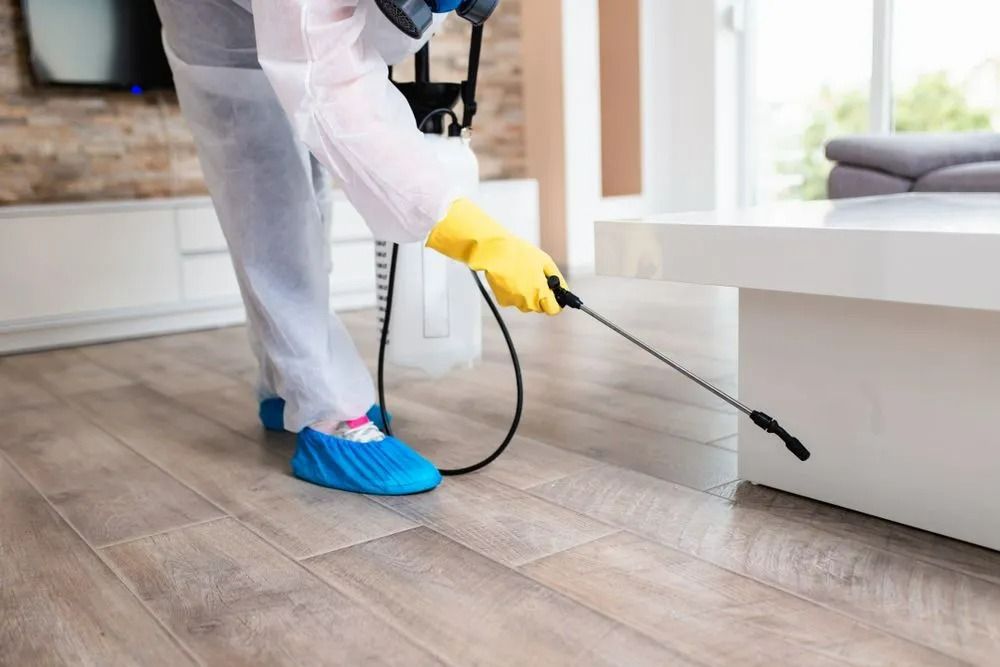
- Chemically treated zones in soil using registered termiticides, often with reticulation lines for clean top-ups
- Stainless steel mesh or graded stone in specific details like step-downs and cold joints
- Combination systems that pair physical protection at penetrations with a treated zone around the perimeter
The key is continuity. Gaps, shortcuts, or later changes that bridge the system defeat compliance.
Design Details That Keep You Compliant
The best product fails if the site detailing is wrong. AS 3660 focuses on predictable access for inspectors and predictable failure points for termites.
- Inspection zones: Keep a visible gap at slab edges. Don’t bury it under soil or mulch
- Weep holes: Must stay open and above finished ground, never rendered over or blocked by pavers
- Service penetrations: Seal with approved collars or physical components as specified on the plan
- Landscaping & paving: Set back so they don’t bridge the barrier or hide evidence
- Moisture control: Fix leaks and drainage issues that keep soil damp, because moisture attracts activity
Small late decisions cause big breaches. A raised garden bed or a path hard against cladding can void protection overnight.
Paperwork You Should Receive
Standards require clear records for future owners, insurers, and trades.
- Durable notice fixed at the meter box or similar, listing the system type, products, installer, date & maintenance needs
- Installation report with marked-up plans or photos showing where barrier elements sit
- Maintenance schedule with inspection frequency & any reticulation recharge intervals
- Treatment certificates if a chemical zone was installed or replenished
Keep copies with your house file. If documents go missing, ask your provider to reissue them.
Inspections Are Not Optional
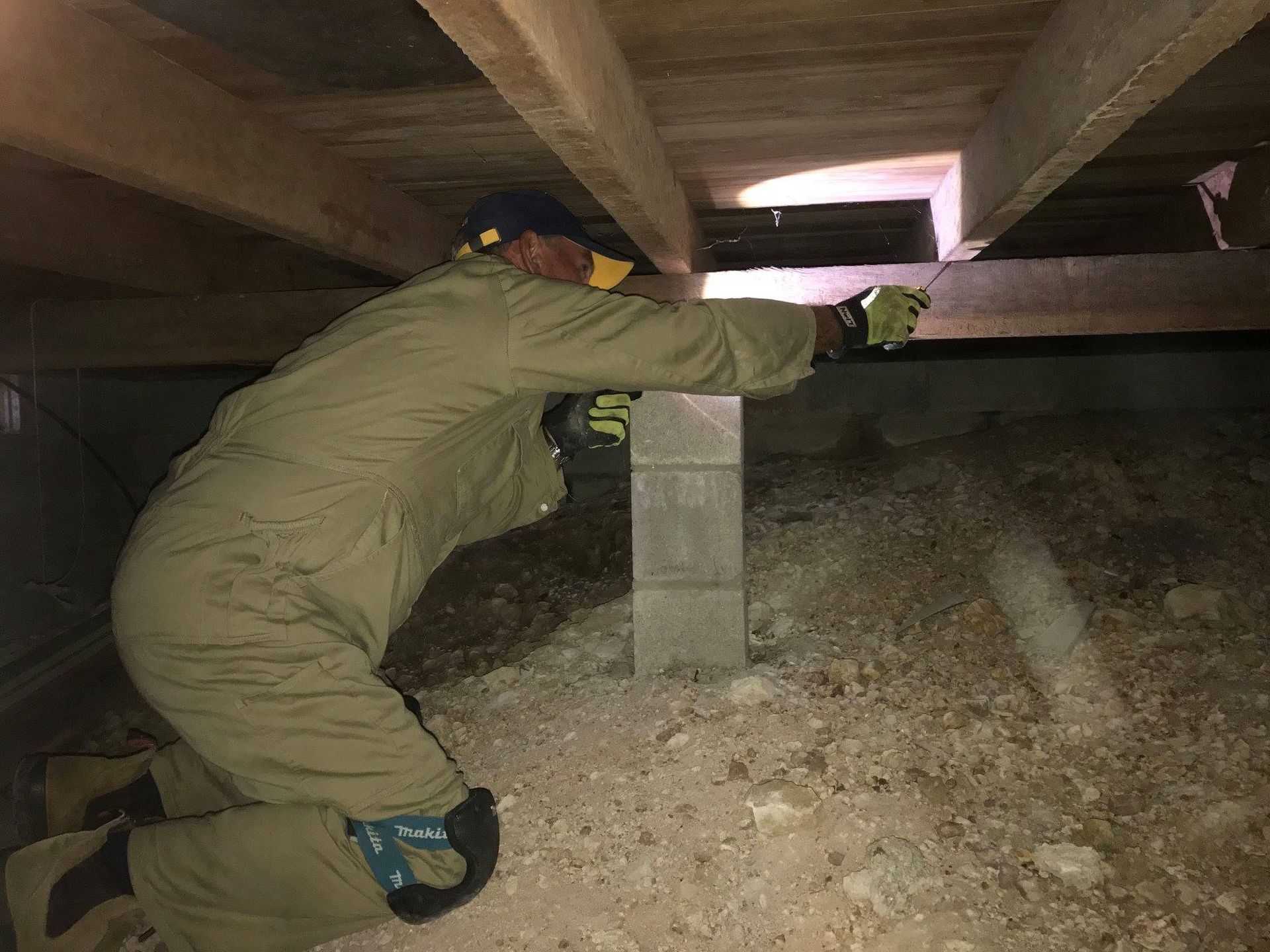
AS 3660 calls for regular inspections by a competent person, commonly every 12 months and more often in high pressure areas or after storms and renovations.
- Annual inspection: Whole structure, with focus on slab edges, subfloor, wet areas & garden interfaces
- Top-ups: For soil systems at the interval on your durable notice, or sooner if conditions changed
- Reticulation recharge: To keep chemical concentrations within spec
- Immediate rectification: Move soil, trim gardens or adjust paving where bridging is found
Written reports matter. They prove you kept the system in standard, which supports resale and warranty discussions.
Renovations, Add-Ons & Common Pitfalls
Most breaches happen after handover. Typical traps for pest control in Sunshine Coast homes:
- Raised soil or mulch against walls that hides inspection lines & weep holes
- Decks and paths installed tight to cladding that bridge the barrier
- New pipes or cables through slabs without collars or matching detailing
- Render over weep holes for a cleaner look that blocks inspection
- Persistent damp from air-conditioning drains, downpipes or irrigation
Before you alter anything around the perimeter, ask your barrier provider to review plans and sign off the final detail.
Choosing an Installer You Can Verify
The standard is only as good as the hands that apply it. When comparing termite barriers on the Sunshine Coast, ask:
- Which AS 3660 parts apply to my job, and how will you document compliance
- What products you’re specifying, expected life and maintenance needs
- How you’ll preserve inspection access around edges, weep holes and penetrations
- What happens after landscaping and paving and who signs off final continuity
- What the inspection schedule looks like and how I’ll get reminders and reports
Pick a company that gives drawings, a durable notice and practical advice for keeping the barrier unbridged for the life of the home.
How Standards Protect Value, Not Just Structure
This isn’t red tape. It’s a risk plan that works in Queensland conditions.
- Early visibility: Forces activity into areas you can inspect before damage escalates
- Predictable maintenance: Scheduled checks & top-ups beat emergency callouts
- Resale confidence: Clean paperwork shows the home was protected & maintained
- Local fit: Detailing that suits slab design, soil, rainfall & construction style
Following the standard is the smart path. It keeps risk low and value high.
Book Suncoast Termite & Pest for Termite Barriers on the Sunshine Coast
Need a system that meets the code and stays in standard? We design and install compliant termite barriers on the Sunshine Coast that can be maintained, then provide clear documentation, reminders and practical advice that keeps inspection lines open. For a site-specific plan and long-term termite control on the Sunshine Coast, head to https://www.suncoasttermitepest.com.au/termite-barrier-sunshine-coast and request an assessment. Get protection that’s built to the rules and ready for Queensland conditions.