Chemical Vs Physical Termite Barriers: What Works Best On The Sunshine Coast?
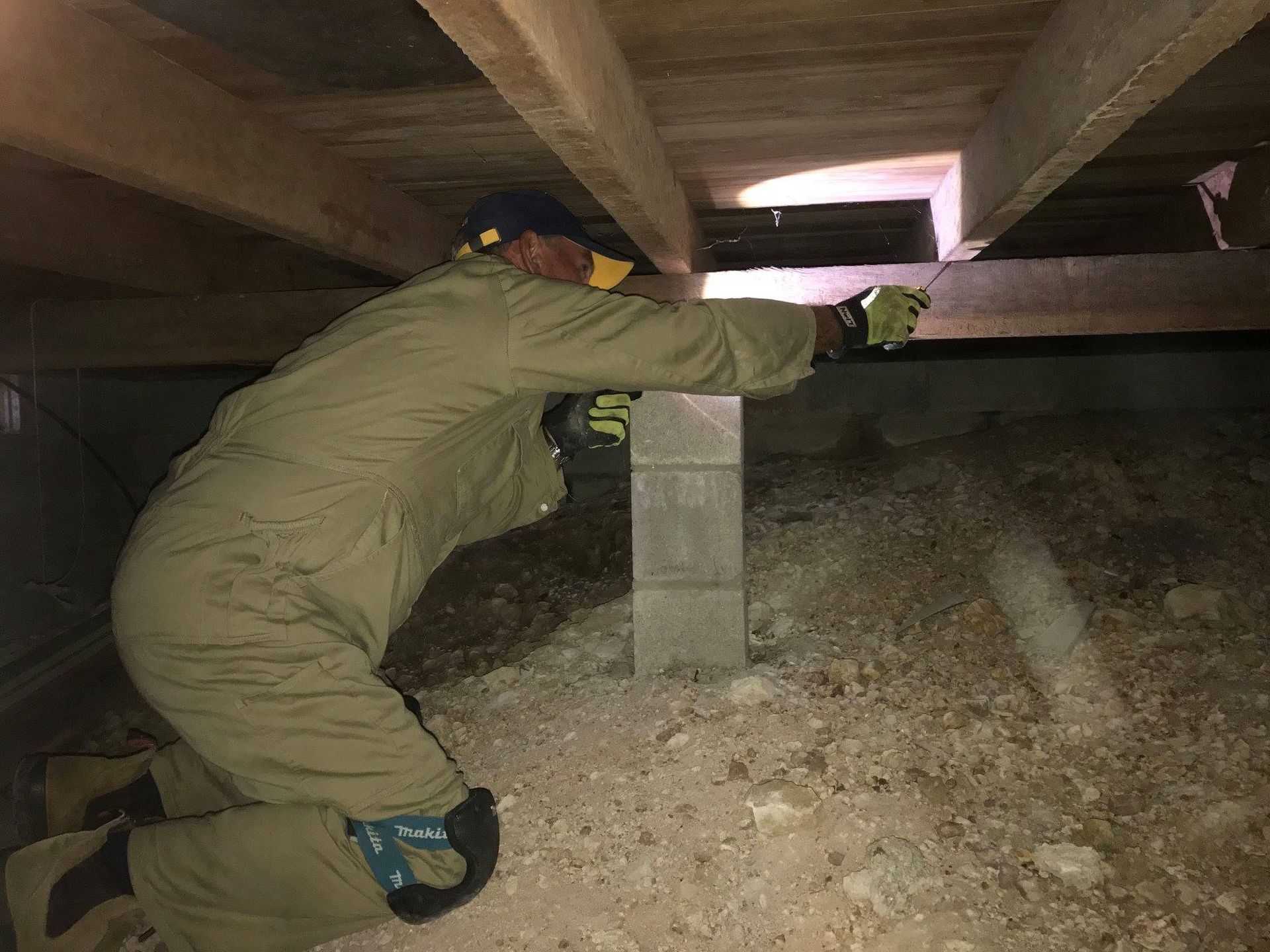
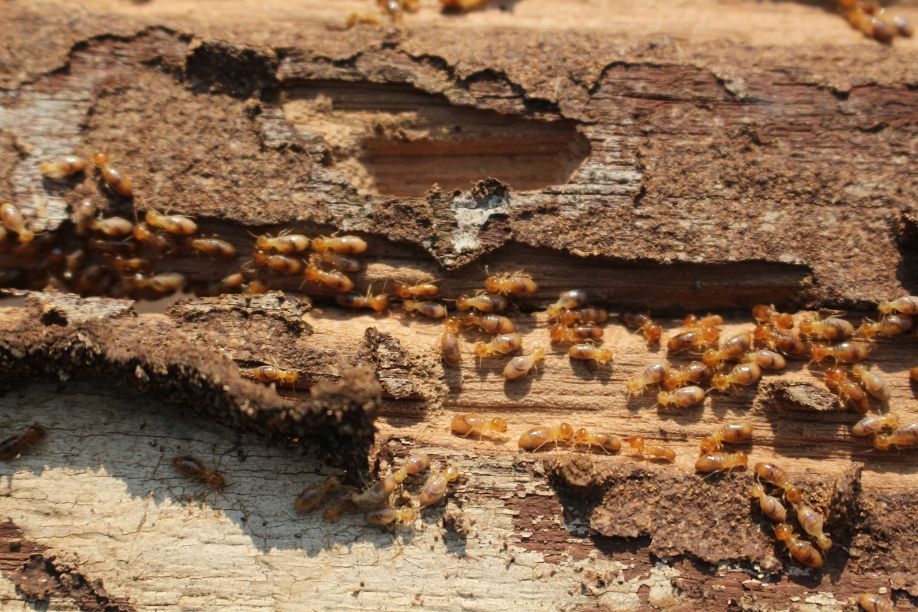
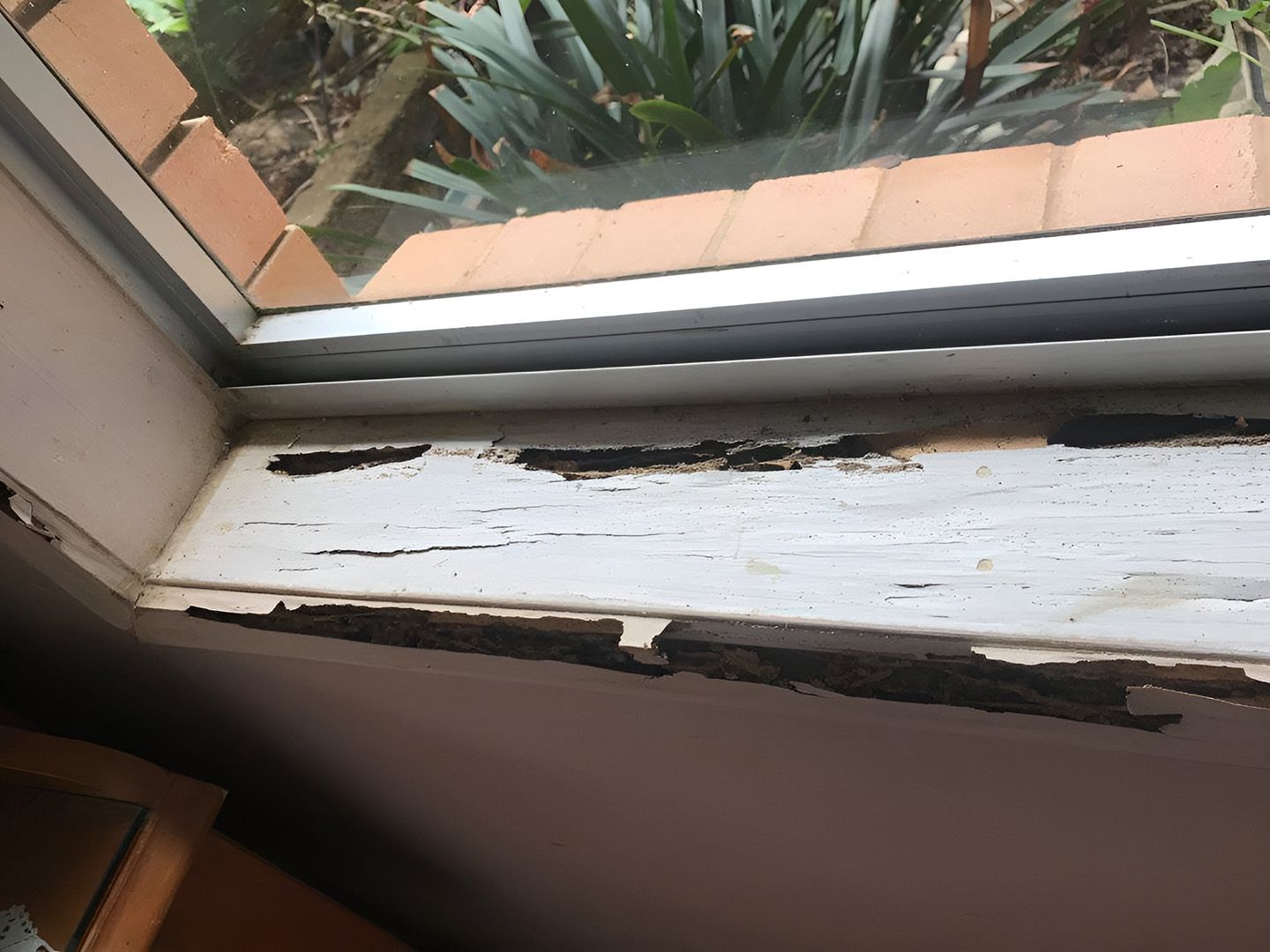
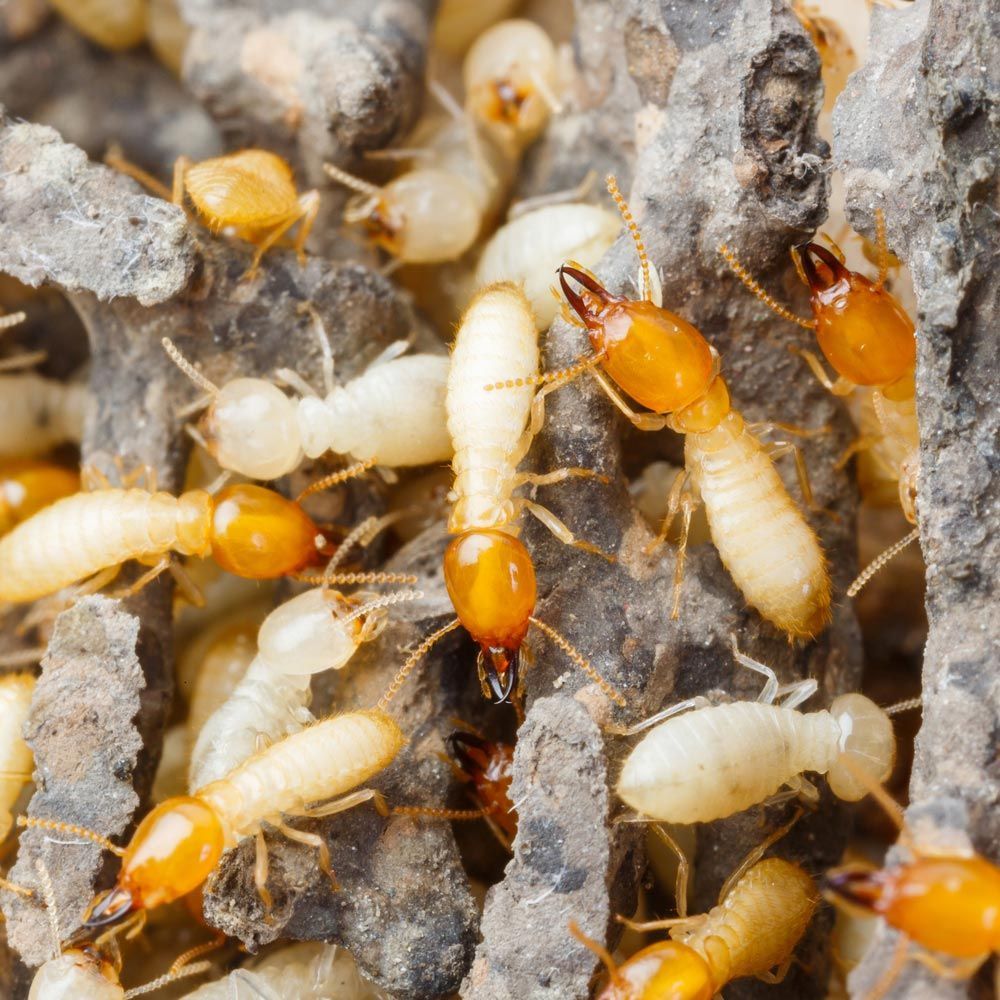
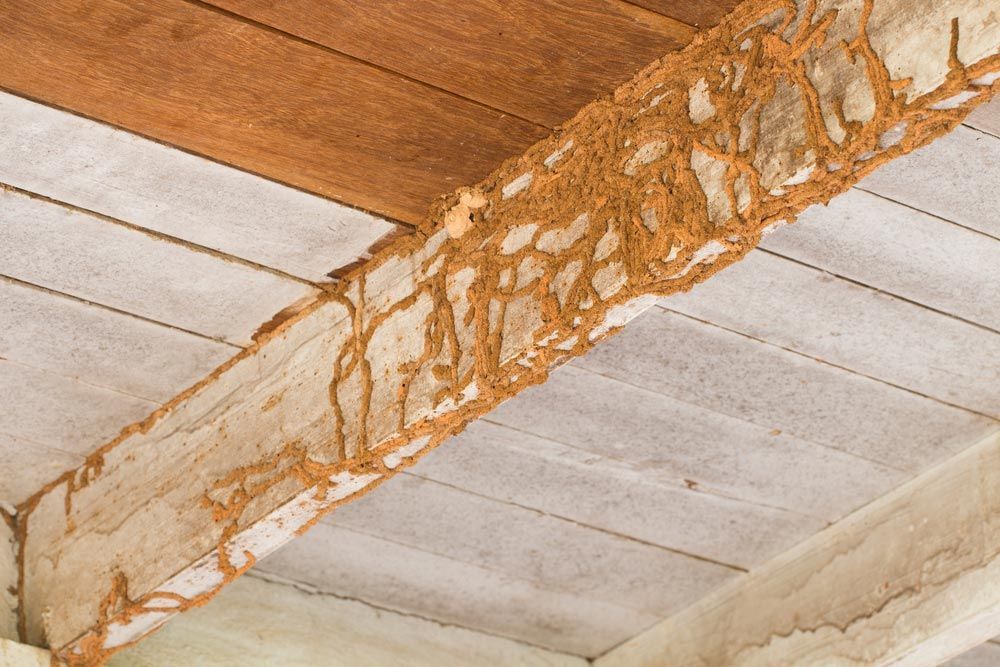
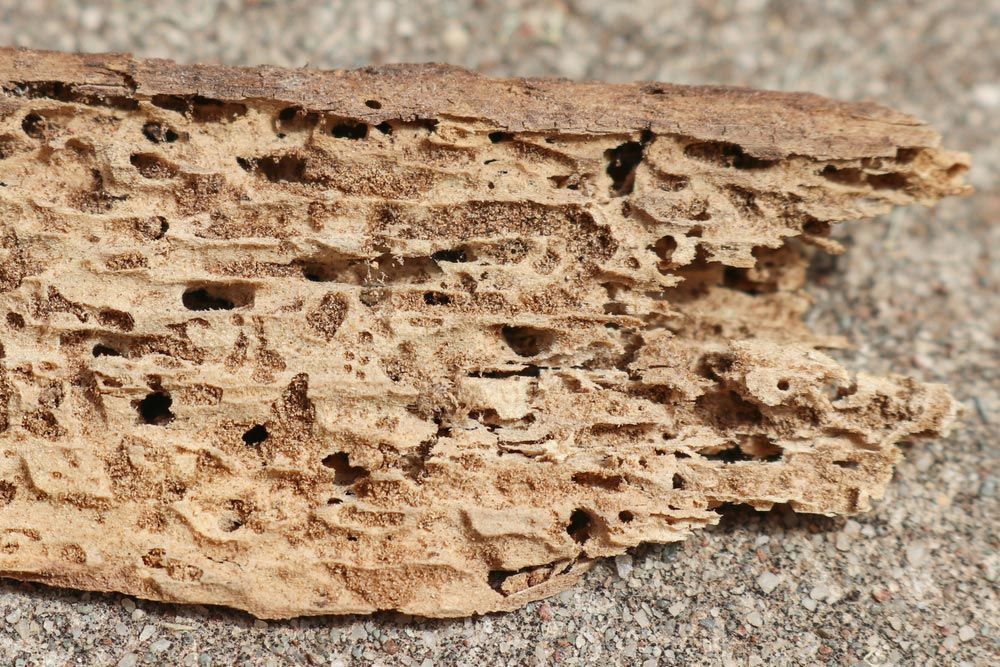
Termites are a serious concern for homeowners across Queensland, and the Sunshine Coast is no exception. The warm, humid climate creates near-ideal conditions for termite activity year-round, and for many local homeowners the damage can go undetected for months before it becomes visible. Left unchecked, even a minor infestation can compromise a home's structural integrity. Installing the right barrier is one of the most important steps you can take to protect your property. If you're weighing up your options, understanding the difference between chemical and physical termite barriers on the Sunshine Coast is a good place to start.
Why Termite Barriers Matter on the Sunshine Coast
The Sunshine Coast's subtropical climate keeps termite colonies active for longer periods compared to cooler parts of Australia. Conditions here create a high-risk environment for homeowners, particularly those with:
- Timber-framed homes or older constructions
- Properties near bushland, garden beds or moisture-rich soil
- Homes with slab-on-ground or pier-and-beam foundations
- Recently renovated properties where ground disturbance has occurred
Without a barrier in place, termites can enter a structure undetected and cause significant damage long before any visible signs appear. Subterranean termites in particular travel through soil and can breach a home through the smallest gaps around pipes, slab edges or weep holes. A well-installed termite barrier acts as the first line of defence, intercepting activity before it reaches your home's structural timbers.
How Chemical Barriers Work
Chemical barriers involve treating the soil around and beneath a property with a liquid termiticide, creating a continuous treated zone that termites cannot cross without being affected. Here's what the process typically involves:
- The soil around the perimeter and beneath the slab is treated with a termiticide such as Termidor
- The active ingredient works through transfer, meaning termites that contact the zone carry it back to the colony
- Treatment can be applied to both new builds and existing homes, making it a flexible option
- The barrier takes effect quickly after installation
- Re-treatment is generally required every eight years, though soil conditions and product type can affect this timeline
Chemical barriers are one of the most widely used forms of termite control on the Sunshine Coast because they suit a broad range of property types and can be installed without major construction work.
How Physical Barriers Work
Physical barriers are non-toxic systems installed during the construction phase to block termite entry points at the source. Rather than relying on a chemical deterrent, they create a physical boundary that termites cannot penetrate. Key features include:
- Sheet or mesh materials such as TRITHOR and NOVITHOR are fitted around slab edges, pipes and other potential entry points
- No chemicals are involved, making them a suitable choice for homeowners seeking a non-toxic solution
- When correctly installed, they can remain effective for the life of the building without degrading
- Physical barriers must be installed during new construction or major renovation, as retrofitting to an existing home is considerably more complex and costly
- They require no retreatment, though annual inspections are still recommended to check for breaches or damage
For homeowners building new or undertaking significant renovations, physical barriers are well worth factoring into the construction plan early.
Which Type Lasts Longer?
Longevity is one of the biggest points of difference between the two systems. Here's how they compare:
- Physical barriers, when installed correctly, can last for the life of the building — often 50 years or more
- Chemical barriers typically carry a manufacturer's warranty of around eight years before retreatment is needed
- Soil conditions, rainfall and ground disturbance can affect how quickly a chemical treatment breaks down
- Physical barriers don't degrade chemically but can be compromised by building works, landscaping or settlement over time
- Both barrier types require annual inspections to confirm they remain intact and effective
While physical barriers have the clear edge on longevity, chemical barriers remain highly effective within their treatment period and are often the only practical option for established homes.
Can You Use Both Together?
Yes, and for many properties it's the most thorough approach available. Physical and chemical barriers address different aspects of termite protection and work well in combination. Reasons a dual approach might be recommended include:
- Physical barriers handle structural entry points while chemical treatments address soil-dwelling termite activity around the perimeter
- New builds in high-risk areas benefit from layered protection that is harder for termites to breach
- A combined system can reduce the frequency of retreatment needed over time
- Some properties have complex layouts or construction types that make a single barrier system less comprehensive on its own
A professional inspection and assessment will determine whether a combined approach is warranted based on your site conditions, construction type and level of local termite pressure.
Which Barrier Is Right for Your Home?
There's no single answer that suits every property. The right choice depends on a range of factors specific to your home and situation. Consider the following:
- New build or major renovation: A physical barrier is the most practical and cost-effective option at this stage, with the option to add a chemical treatment for extra coverage
- Existing home: A chemical barrier is typically the most accessible solution, as physical barriers are difficult to retrofit without significant disruption
- High-risk location: Properties near bushland, water or with a history of termite activity may benefit from combining both systems
- Budget: Physical barriers have a higher upfront cost but lower ongoing maintenance costs, while chemical barriers require periodic retreatment
- Preference for non-toxic options: Physical barriers are the better fit for homeowners wanting to avoid chemical treatments altogether
Regardless of which system you choose, professional termite barriers on the Sunshine Coast should always be paired with routine inspections. Catching early activity is just as important as prevention.
Protecting Your Home Starts with the Right Barrier
Choosing between termite barrier types doesn't have to be overwhelming. The key is getting a professional assessment tailored to your property rather than relying on a one-size-fits-all approach. At
Suncoast Termite & Pest, we provide
termite barriers on the Sunshine Coast for residential properties, with a detailed inspection process that informs every recommendation. Our team assesses soil conditions, construction type and local termite pressure before advising on the most suitable system for your home. Whether you're building new, renovating or looking to protect an established home, expert advice makes all the difference.
Get in touch today to find out which barrier best suits your property.